Austina Handwritten: The Craft-Friendly Font with Personality
There's something undeniably special about typography that carries a human touch. In a digital landscape often dominated by clean, geometric sans serif fonts and traditional serif options, handwritten typefaces bring warmth and authenticity to projects. Austina Handwritten stands out in this space as a premium font that balances playful energy with practical functionality, making it a valuable addition to any designer's toolkit.
What Makes This Typeface Feel So Approachable
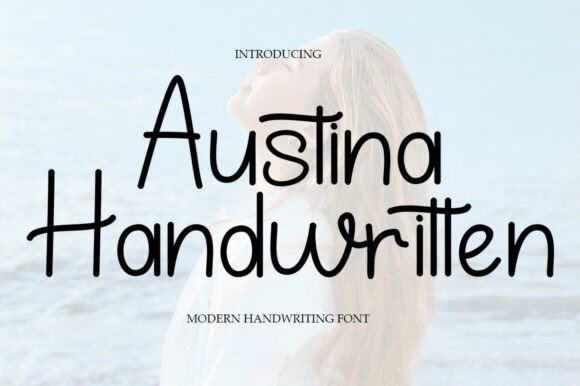
At its core, Austina Handwritten is a script font that captures the natural rhythm of casual penmanship. The letterforms feature gentle curves and slight irregularities that mimic actual handwriting, but without descending into illegibility. Each character maintains enough consistency to feel cohesive while preserving the organic quality that makes handwritten fonts so appealing.
The personality of this typeface leans toward friendly and inviting. It doesn't try to be overly sophisticated or formal. Instead, it communicates warmth, creativity, and approachability. The strokes have a natural flow that suggests someone actually sat down and wrote each word, which resonates with audiences who crave genuine connections in branding and design.
What particularly sets this font apart is its smooth construction. For crafters working with cutting machines like Cricut or Silhouette, the clean paths and optimized outlines translate beautifully into physical projects. The letterforms cut cleanly without snagging or producing jagged edges, which saves time and reduces material waste during production.
Where Austina Handwritten Truly Shines
This creative font finds its sweet spot across a surprisingly wide range of applications. Understanding where it performs best helps designers and creators make informed decisions about incorporating it into their work.
Branding and Logo Design
Small businesses and personal brands gravitate toward Austina Handwritten when they want to convey authenticity without sacrificing professionalism. It works particularly well for boutique shops, artisan products, wellness brands, and lifestyle businesses. The font communicates that there's a real person behind the brand, which builds trust with consumers who are increasingly skeptical of corporate polish.
Packaging Design
Product labels, gift tags, and packaging inserts benefit enormously from handwritten typography. Austina Handwritten adds a personal touch to packaging that makes products feel curated rather than mass-produced. Think about the difference between a jam jar with a generic label versus one with hand-lettered details. The latter feels more special, more intentional.
Social Media Graphics
Content creators and marketers use this font to create Instagram quotes, Pinterest pins, and Facebook graphics that stop the scroll. Handwritten fonts perform exceptionally well on social platforms because they contrast with the digital environment. They feel more personal, more human, which encourages engagement and sharing.
Editorial and Publishing
Magazine layouts, blog headers, and book covers occasionally incorporate script fonts for accent text, pull quotes, or chapter titles. Austina Handwritten serves these purposes admirably, adding visual interest without overwhelming the primary content typeface. It pairs well with both serif font and sans serif font options, making it versatile for editorial design projects.
Crafting and DIY Projects
This is where the font truly earns its reputation. Wedding invitations, greeting cards, scrapbook elements, wall art, and custom apparel all benefit from its clean cutting paths. Hobbyists and small business owners who sell handmade goods appreciate that the font translates seamlessly from screen to physical product.
Understanding the Impact on Your Design Work
Typography choices influence far more than aesthetics. The fonts you select affect how audiences perceive your message, how they navigate your content, and whether they remember your brand. Austina Handwritten plays a specific role in this equation.
Visual Hierarchy and Readability
Handwritten fonts work best as display typefaces for headlines, titles, and short phrases rather than body copy. Using Austina Handwritten for a logo or a social media caption keeps text readable while adding personality. However, setting an entire paragraph in any script font will frustrate readers. Reserve it for moments where impact matters more than extended reading comfort.
Brand Perception and Recognition
Consistent use of a distinctive typeface builds brand recognition over time. When audiences see Austina Handwritten across your website, packaging, and marketing materials, they begin associating that visual style with your business. This kind of typographic consistency strengthens brand identity and helps you stand apart from competitors using overused default fonts.
Emotional Connection
People respond emotionally to design choices, often without realizing it. Handwritten typography triggers associations with personal letters, notes from friends, and handmade crafts. By choosing Austina Handwritten, you're tapping into those positive associations, which can increase audience engagement and foster loyalty.
Practical Guidance for Using This Font Effectively
Before committing to any typeface for a project, it's worth evaluating fit, testing combinations, and understanding licensing terms.
Evaluating Project Suitability
Ask yourself whether your project benefits from a casual, personal tone. Wedding invitations, bakery branding, children's products, and lifestyle blogs are natural fits. Corporate reports, legal documents, and medical materials probably aren't. Context matters enormously with handwritten fonts.
Testing Font Pairings
Austina Handwritten pairs beautifully with clean sans serif fonts for modern typography combinations. Try it alongside a neutral body text typeface to create contrast. The handwritten quality of the display font becomes more pronounced when set against something structured and geometric. Avoid pairing it with other script fonts or overly decorative typefaces, which creates visual competition.
Reviewing Available Styles
Check what weights, alternates, and special characters come included with your purchase. Many premium fonts offer swashes, ligatures, and stylistic alternates that expand creative possibilities. Understanding these options before starting a project prevents mid-design surprises.
Considering Commercial Licensing
If you're using Austina Handwritten for client work, merchandise, or products you intend to sell, verify that your license covers commercial use. Most reputable font foundries offer clear licensing terms, but it's your responsibility to ensure compliance. Investing in proper licensing protects your business and supports the designers who create these valuable design assets.
Testing Across Mediums
Always preview fonts in context before finalizing designs. What looks charming on screen might feel cluttered at small sizes or when printed. Test Austina Handwritten at the actual dimensions where it will appear, whether that's a business card, a website header, or a vinyl decal. This practical testing step catches potential issues before they become expensive mistakes.
Bringing It All Together
Choosing the right typeface is one of those decisions that ripples through an entire project. Austina Handwritten offers a distinctive combination of visual charm and practical functionality that serves creators across multiple disciplines. Whether you're designing a brand identity, crafting handmade products, or creating digital content, this handwritten font provides the personality and performance that thoughtful design demands.
The key is using it intentionally. Match it to projects where its warmth and authenticity add genuine value. Pair it thoughtfully with complementary typefaces. Test it thoroughly in your specific application. When you approach font selection with this level of care, the results speak for themselves through stronger designs, more engaged audiences, and work that feels authentically yours.